About Northline
Northline Industrial, LLC is a New Hampshire company working to return rail-served industrial infrastructure to productive use.
Led by President & CEO Michael Levesque, Northline is building the project around a focused operating core, rigorous validation, disciplined capital deployment, and clear decision gates.
Northline’s purpose is practical and long-term: solve real customer problems, create durable skilled employment, build local training pathways, and give Groveton a credible route back to productive industrial activity.
About Northline
Industrial purpose. Built from evidence.
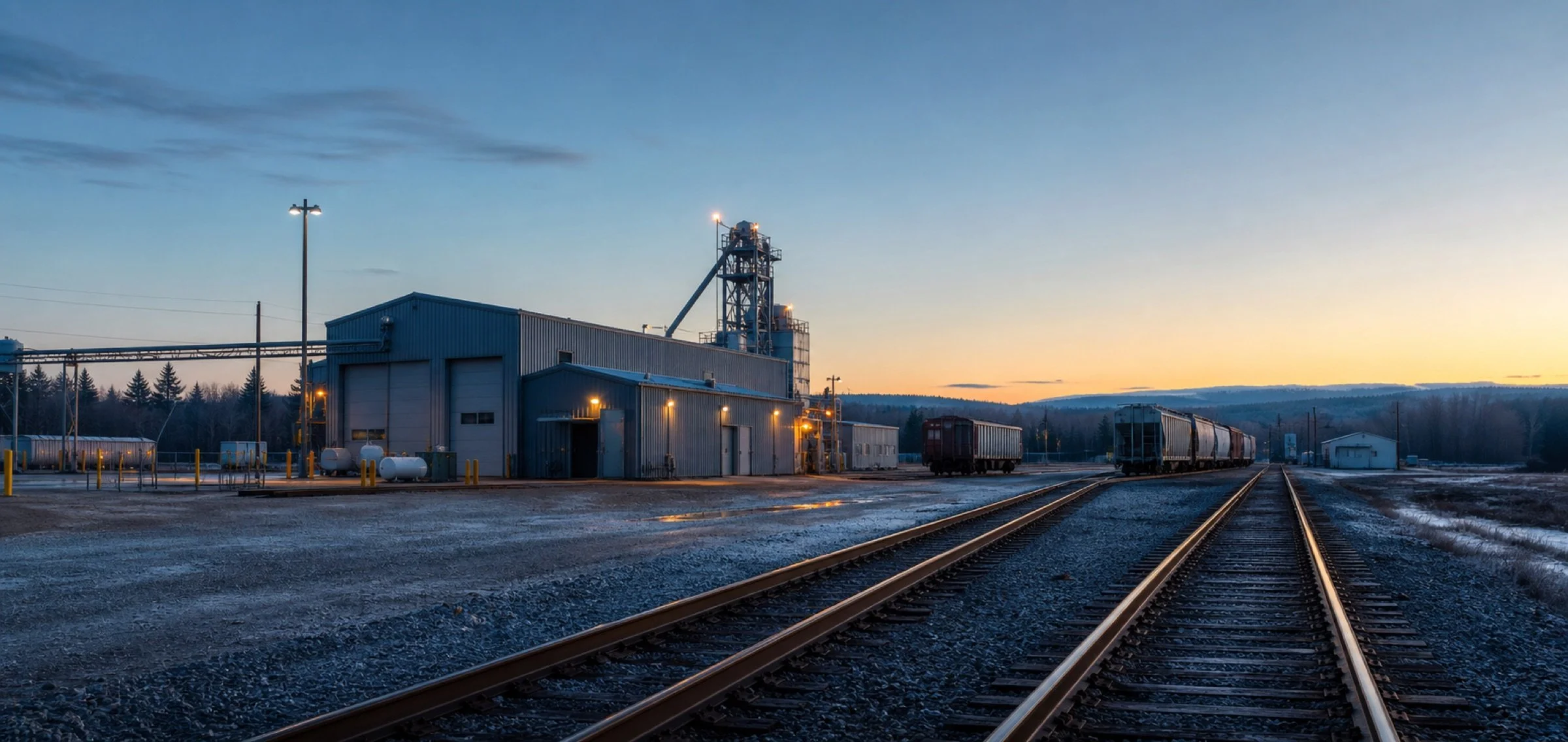
Northline Industrial, LLC is building the case for a phased rail-services platform in Groveton, within the Town of Northumberland, New Hampshire. We are working toward site control while validating customer demand, railroad access, land use, utilities, engineering, environmental pathways, and financing. Phase One is designed around focused railcar services; planned services are not yet commercially available.
Groveton, New Hampshire · Site control and validation in progress.
Building from Evidence
Prove the first step. Earn the next.
Northline’s approach is straightforward: focus the first operating phase, retire the risks that control it, and let documented proof—not the size of the vision—determine what comes next.
Focus Phase One
Start with bounded rail-service capabilities and a clear path to operating readiness.
Retire the controlling risks
Work through customer, environmental, engineering, safety, railroad, certification, workforce, and financing questions.
Scale when proof supports it
Keep later opportunities separate until demand, rights, approvals, economics, and capital are established.
Leadership
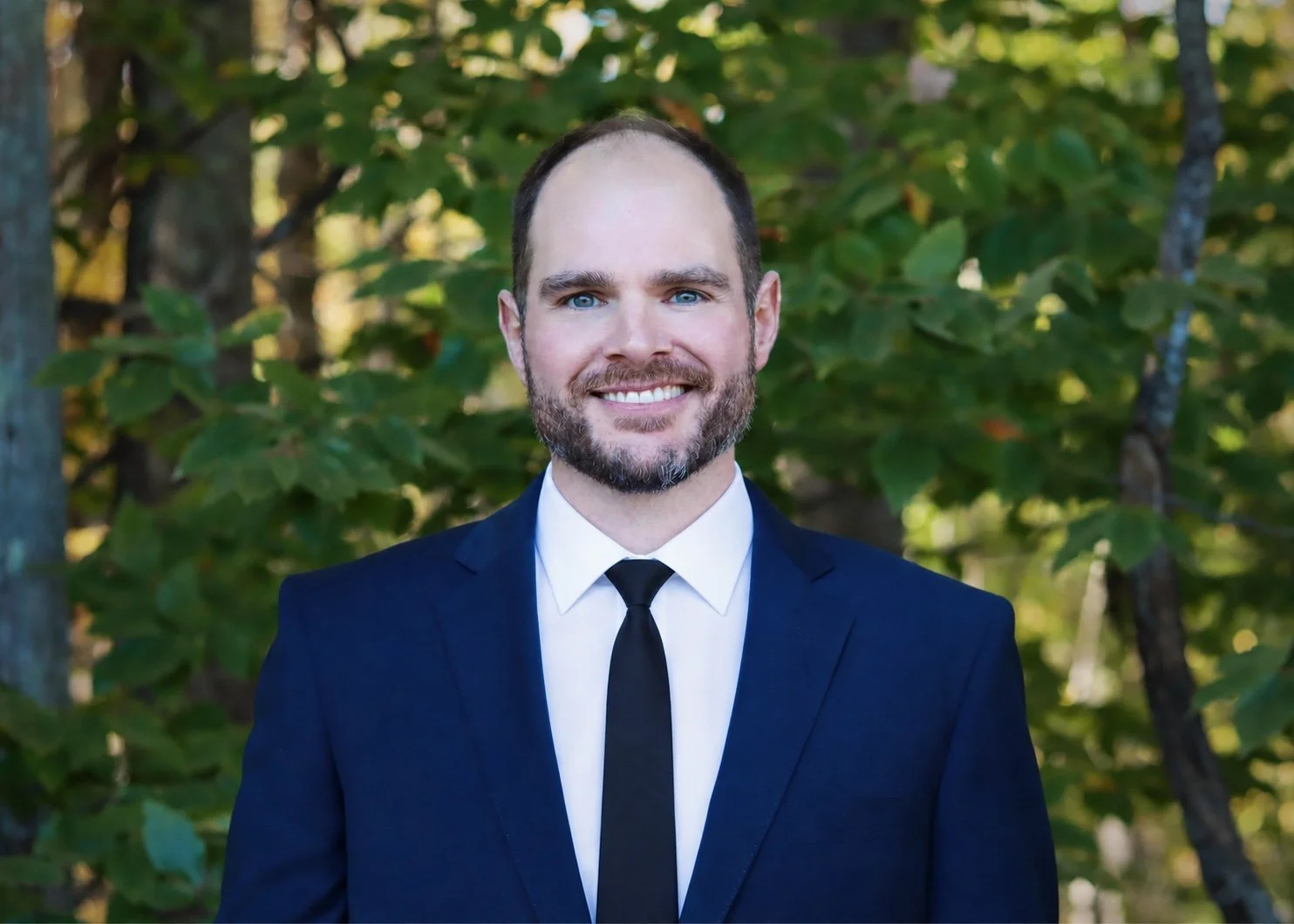
Michael Levesque
As President & CEO, Michael leads Northline Industrial with a focus on disciplined execution, strategic positioning, and long-term value creation. He is committed to building a commercially sound industrial platform in Groveton, with each phase supported by customer evidence, operating readiness, and disciplined capital decisions.
Our Purpose
Mission. Vision. Values.
Mission
Put useful industrial infrastructure back to work through businesses that solve real customer problems, create skilled work, and strengthen the communities around them.
Vision
A Northern New England where legacy rail corridors, industrial land, and essential infrastructure can support productive businesses again—one proven project and one qualified operating phase at a time.
VALUES guide the work.
Select a value to see the commitment behind it.
01Build what matters
Prioritize useful services, durable work, and infrastructure that solves a documented need.
02Restore before replacing
Respect what already exists and reuse sound assets when they can serve the next operating chapter responsibly.
03Do not waste what still works
Treat industrial land, rail access, buildings, utilities, and human know-how as resources that should earn careful consideration.
04Stay close to real work
Make decisions with operators, customers, maintainers, regulators, and communities—not from abstraction alone.
05See the whole system
Understand how customer needs, railroads, equipment, people, permits, waste streams, capital, and community fit together.
06Think in generations
Build for durable usefulness and responsible stewardship, not a short-lived announcement.
07Work with the community
Listen early, explain status plainly, and align growth with practical local benefit.
08Move with discipline
Tie capital and expansion to evidence, decision gates, and clearly understood downside protection.
09Strengthen American industry
Support the safe, efficient movement and servicing of the materials and equipment the real economy depends on.
Scope note: Northline’s mission and vision describe its long-term corporate purpose. Near-term work is centered on an evidence-gated, rail-services Phase One; broader logistics, manufacturing, and energy concepts remain future optionality.