

PLANNED CAPABILITIES
A phased path to rail-service readiness.
Northline Industrial is evaluating a bounded set of rail-service capabilities in Groveton, within Northumberland, New Hampshire. The services described below are in development—not currently available—and will advance only when demand, requirements, infrastructure, equipment, quality systems and trained personnel support them.
DEVELOPMENT STAGE — SERVICES ARE NOT YET COMMERCIALLY AVAILABLE
Phase One · Overview
Built to keep railcars moving.
Northline is shaping a rail-services platform around the work that returns equipment to productive service: closed-loop cleaning, inspection and light repair, coating and lining, staging, heating, and selective transload.
Four Phase One capabilities. One future path.
Phase One integrates four service capabilities across the railcar cycle. A separate longer-horizon path preserves the platform’s longer-term potential without putting speculative scope into the first operating step.
Beyond Phase One · Long-Term Platform Vision
Proof creates options.
Northline’s larger ambition is to turn a proven rail-services foundation into a durable industrial platform—expanding only when customer demand, infrastructure, approvals, partners, and economics make the next move real.
01 · Cleaning & wash
Recover the asset. Control the stream.
The planned cleaning platform brings high-pressure wash, steam, product recovery, segregated residual handling, and traceable waste pathways into a controlled industrial workflow.
Commercial objectiveReturn equipment to productive circulation while reducing out-of-route service movement and protecting the next job in the railcar cycle.
- Automated wash technology
- Steam and heating capability
- Product recovery and segregation
- Winterized industrial systems
Inspect the car.
Control the scope.
Close the record.
The useful unit is not “repair.” It is a controlled shop event: the right car and records arrive, the condition is documented, the owner authorizes the work, qualified people execute the approved scope, and the release package is complete.
Verify
Confirm reporting marks, car type, service request, shipping and commodity records, prior work information, and the controlling owner or lessor instructions.
Inspect & Triage
Document visible condition, bad-order items, required tests, clean or safe-entry status, and whether the car belongs in the fixed shop, the field, or another qualified facility.
Scope & Authorize
Issue the condition report and estimate; define job and activity codes, parts, holds, exclusions, and approvals before added work begins.
Repair, Test & Close
Use controlled procedures, qualified personnel, calibrated equipment, required tests, traceable parts, and final records before release or onward routing.
The car and defect shape the repair path.
These four planning families show what Northline is evaluating, what may form an early operating wedge, and what remains certification-, owner-, or partner-gated. They are not a representation of current service availability.
01Freight-Car Inspection & Light Repair+
A practical first scope can center on condition reporting and bounded freight-car work that fits the installed equipment, trained workforce, AAR rules, railroad requirements, and customer authorization.
02Bad-Order & Mobile Support+
Mobile response can reduce unnecessary freight and shop movement when the work is genuinely field-suitable. The mobile team, fixed shop, car owner, railroad, and record package must operate under one defined responsibility chain.
03Tank-Car Service Equipment+
A candidate first tank-car technical scope is service-equipment remove-and-replace rather than broad pressure-boundary repair. The final activity-code matrix must match actual customer demand, procedures, tools, demonstrations, and owner instructions.
04Qualification, NDT & Welded Repair+
Full tank qualification, nondestructive examination, and welded tank work carry different technical approvals, procedures, demonstrations, personnel qualifications, equipment, owner criteria, and liability. They do not become available merely because a shop can perform light mechanical work.
Certification is a sequence–not a badge.
Northline’s credible path is to freeze a narrow service scope, build the quality system, qualify the technical activities and people, pass the applicable audits, verify registry status, and then complete each owner or lessor’s approval process.
Freeze the Day-One Matrix
Define car types, fixed-shop and mobile boundaries, exclusions, candidate activity codes, partner responsibilities, equipment, and proof of pending demand.
- Freight vs. tank kept distinct
- Repair-in-place vs. shop routing
- No TIH assumption
Build AAR M-1003
Implement the controlled QA manual, organization, QAPE, training, document control, calibration, supplier controls, corrective action, and records.
- Internal audit readiness
- Proof of sales or pending sales
- Annual maintenance built in
Pursue Focused M-1002 Approvals
Select only the activity codes justified by the operating plan—potentially C6r first, with C5 or B81 added only if the work and customer case support them.
- Required demonstrations
- OEM / owner instructions
- Fixtures and leak-test controls
Qualify People and Methods
Build the role-specific training and qualification system for inspection, brake work, NDT, welding, service equipment, and any other controlled process actually offered.
- NDT Level III governance
- WPS / PQR and welder records
- Calibrated test equipment
Close Findings. Verify Status.
Complete the applicable AAR audits, resolve nonconformances, and publish only the activity codes and dates that appear in the live AAR registry.
- No “pending” presented as approved
- Scope changes requalified
- Annual audits and recertification
Earn Owner / Lessor Routing Approval
Complete each fleet owner’s separate network review, procedure controls, insurance and safety review, pilot work, reporting integration, and performance validation.
- Written owner permission
- Owner-specific instructions
- Pilot and KPI review
Make the routing decision easier.
An industry professional should not have to call to learn the basic boundaries. Before launch, the public section should let a fleet team determine whether Northline is worth placing into a routing, audit, or quote process.
Publish Before Launch
The minimum decision package
- Accepted car types and explicit exclusions
- Fixed-shop versus mobile boundaries
- Live AAR registry link and exact activity codes
- Inspection and test methods offered
- Qualified-personnel boundaries
- Owner / lessor authorization path
- Switching assumptions and service geography
- Turnaround clock and hold conditions
- Status-update cadence
- Final record and release package
Held Outside the Early-Scope Baseline
Do not infer day-one availability
These activities remain separately gated unless the final design, certification, owner support, personnel, insurance, and demand evidence justify them.
- Tank-shell or pressure-boundary welded repair
- Full tank-car qualification without B81 scope
- TIH / PIH service
- Broad in-house valve reconditioning without C5 scope
- Heavy wheel / axle or component reconditioning
- Work without owner instructions or current registry support
Three horizons.
One discipline.
The roadmap follows a strategic sequence: establish the operating core, strengthen the rail platform, then evaluate larger logistics, tenant, manufacturing, and energy opportunities on their own merits.
Prove the Rail-Services Core
Bring an integrated cleaning, repair, coating, storage, and selective transload platform through its commercial, engineering, environmental, certification, financing, and operating gates.
What Success Can Unlock
- Repeatable fleet-service workflows
- Skilled operating team and training pathways
- Quality, safety, and environmental systems
- Railroad-coordinated operating rhythm
Executed site control, validated customers, engineered scope, permits, capital, definitive partner agreements, certifications, and commissioned operations.
Strengthen the Rail Platform
Use operating evidence to evaluate additional track capacity, storage, staging, transload, heavier service scopes, and other rail-adjacent infrastructure.
Opportunity and Gates
- Expanded storage and staging
- Broader transload configurations
- Additional repair and certification scope
- More resilient winter operations
Measured utilization, customer contracts, railroad operating support, track and utility engineering, environmental approvals, workforce, and expansion capital.
Build the Regional Industrial Platform
Evaluate industrial tenants, manufacturing, logistics, power, natural-gas, and other platform opportunities without making them a condition of Phase One.
Opportunity and Gates
- Potential rail-served industrial tenants, subject to parcel-level access and rights
- Manufacturing and logistics modules
- Power and transmission opportunities
- Separately financed energy concepts
Named counterparties, definitive rights, utility and pipeline diligence, engineering, permits, independent economics, financing, and community alignment.
Underwrite the first step. Let operating proof earn the next.
That discipline protects Phase One from speculative scope while preserving what the Groveton opportunity could support. Any larger industrial future depends on a suitable location, definitive property and operating rights, utility and railroad feasibility, engineering, customer evidence, approvals, and separate capital.
Help Shape What Comes Next
Bring evidence, not applause.
Northline welcomes serious conversations with customers, railroads, operators, equipment providers, workforce partners, investors, lenders, and regional stakeholders who can help turn the next assumption into a decision.
Start a ConversationIllustrative longer-term opportunities only. Site control is being pursued. No parcel-specific utility capacity, pipeline access, power asset, rail connection, or tenant arrangement is established by this roadmap. These concepts are not statements of current availability, committed construction, regulatory approval, financing, customer demand, partnership, or schedule.
Recover more. Discharge less. Control every stream.
The Phase One concept centers on closed-loop cleaning, product recovery, segregated residual collection, and qualified off-site recovery or disposal—designed to minimize municipal dependency and keep each waste pathway traceable.
Characterize
Review the last-contained product, safety data, railcar condition, and job-specific acceptance requirements.
Clean
Match pressure, heat, chemistry, and dwell time to the product and required outcome.
Recover
Separate reusable product, residuals, wash media, and solids into controlled streams.
Document
Track the job, waste pathway, inspection outcome, and next release point under the applicable quality system.
Products shape the cleaning pathway.
These four planning families use the commodity names customers and operating teams recognize. Each request still begins with the product, not a generic promise.
Download the controlled commodity list PDF · 1.13.146.1 ↓01Dry-Bulk Minerals, Salts & Slurries+
Dry-bulk and slurry products may require product-specific recovery, dust control, heating, solids separation, or transfer methods.
02Asphalt, Fuels, Alcohols & Waxes+
Residual temperature, vapor profile, ignition risk, composition, and the waste or recovery pathway remain mandatory review inputs.
03Polymers, Resins & Industrial Additives+
Compatibility, cure behavior, temperature, wash chemistry, solids loading, and residual disposition require job-specific review.
04Selected Industrial Liquids+
Concentration, corrosivity, vapor pressure, material compatibility, neutralization needs, permits, and waste acceptance must be confirmed.
Inclusion means a commodity is eligible for job-specific review; it does not authorize acceptance of a shipment or railcar. Final acceptance remains subject to current SDS review, last-contained product, railcar condition, facility capability, permits, carrier and applicable AAR requirements, residual profile, waste pathway, insurance, and written job authorization. Public commercial service has not launched.
Go deeper.
Explore the market need, facility concept, operating sequence, and the regional opportunity and parcel-level requirements that make Groveton worth evaluating.
Why Northline
How out-of-route service movements consume railcar time, handling, and fleet availability.
System designFacility
Unvalidated concept targets for a potential fixed facility and partner-enabled mobile support.
Milestone planPath to Operations
A working sequence built around evidence, engineering, approvals, construction, and ramp.
Location strategyWhy Groveton
Regional rail, community impact, open location requirements, and potential capital tools.
A rail-services platform with a reason to exist.
Northline is working to restore productive industrial capacity in Groveton, create skilled work, build local training pathways, and give Northern New England fleets a closer place to solve essential service needs.
Talk with NorthlineNorthline is pursuing site control and validating location feasibility in Groveton. Planned services are not yet commercially available. Services, equipment, throughput, certifications, partnerships, construction, and opening dates remain subject to site control, engineering, permits, railroad coordination, capital, definitive agreements, staffing, insurance, and customer or fleet-owner approvals.
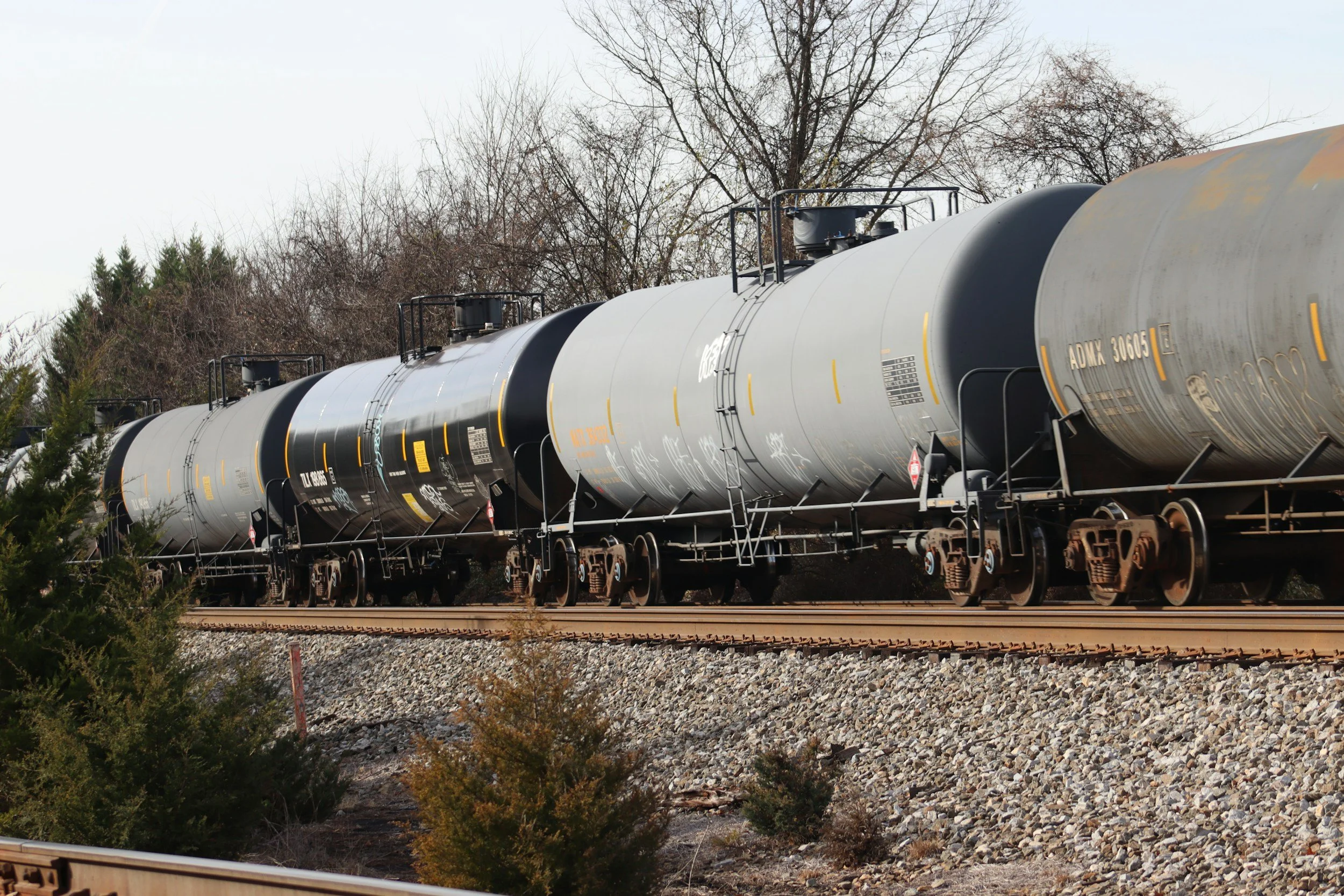
Railcar cleaning
Northline is evaluating cleaning capabilities for defined railcar service requirements. The scope remains under development, including commodity acceptance, equipment, residual handling, wastewater treatment, permits and customer qualification.
Representative industry image; not Northline Industrial property or operations.
Service definition
Facility design must address residual characterization, wastewater treatment, waste handling, worker protection and commodity-specific procedures before service begins.
Residual and wastewater controls
Any launch scope requires the right equipment, permits, trained operators, documented procedures, quality controls and confirmed customer requirements.
Equipment and operating readiness
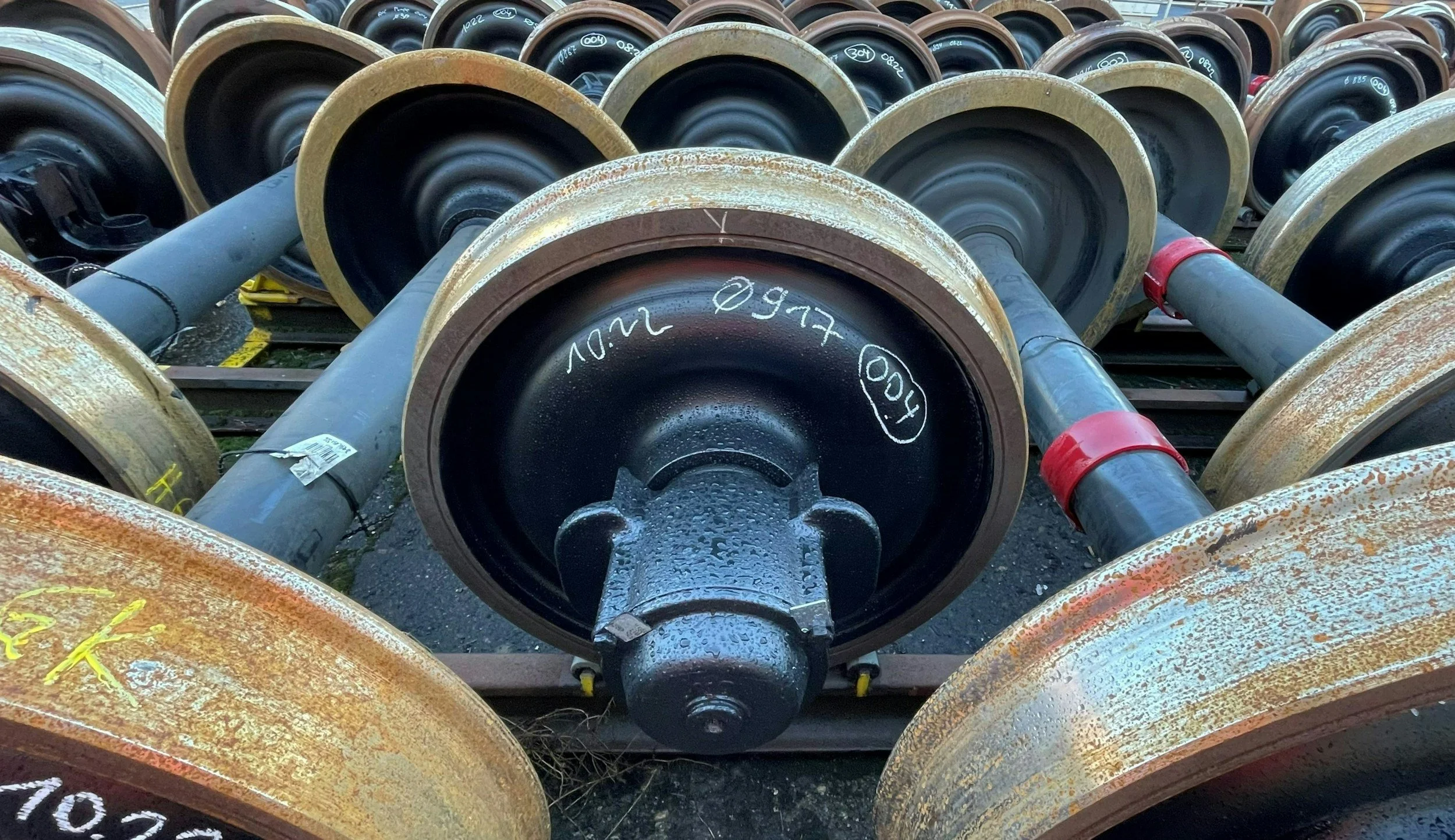
Freight-car inspection, maintenance & repair
Northline is evaluating a staged freight-car service scope focused on inspection, maintenance and repair tied to documented customer requirements. Availability would depend on the applicable railroads, car types, job codes, procedures, quality systems, equipment and qualified personnel.
Representative industry image; not Northline Industrial property or operations.
Launch scope
Each service must be matched to the relevant AAR/FRA framework, customer or lessor requirements, railroad approvals, insurance, documentation and quality controls.
Requirements and quality systems
Northline will announce a specific repair capability only after the facility, tooling, procedures, workforce, quality system and customer qualification are ready.
Qualified launch
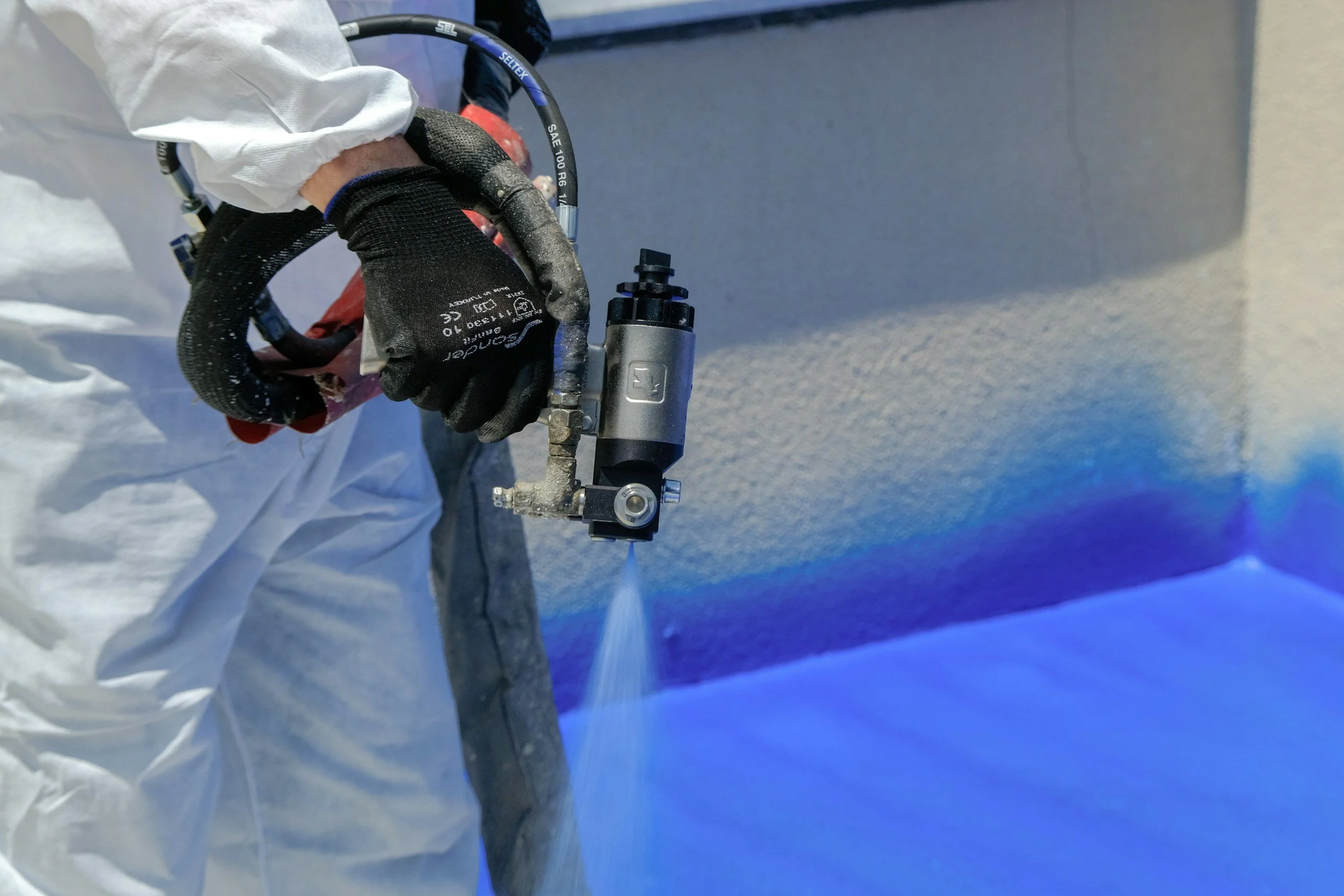
Interior blasting, coating & lining
Interior surface preparation, blasting, coating and lining are being evaluated as later, service-specific capabilities. Advancement depends on documented customer demand, process design, ventilation, environmental controls, worker protection, material handling, technical procedures, permits, equipment and trained personnel.
Representative industry image; not Northline Industrial property or operations.
Scope and customer specification
Northline would define each process around the specific car type, material, coating system, preparation standard, cure requirements, inspection plan and customer acceptance criteria.
Environmental and process controls
No service will be announced until ventilation, air emissions, waste management, worker protection, equipment, procedures and permitting are resolved for the defined scope.
Service-specific launch
IMPORTANT SCOPE LIMIT
Tank-car activities require a separate readiness decision.
Tank-car cleaning, repair, alteration, qualification or certification-related work should not be assumed available at launch. Each activity would require its own AAR/FRA requirements, job codes, customer or lessor requirements, insurance, quality systems, environmental controls, equipment and workforce readiness.
WHAT MUST BE TRUE BEFORE A CAPABILITY LAUNCHES
Customer evidence · Defined operating scope · Applicable requirements and permissions · Facility and environmental readiness · Qualified people, procedures and quality systems
Storage or transload will be considered only where a specific customer need, commodity, volume, rail operating plan, equipment requirement, environmental path and economics are documented. These services are not presented as current launch commitments.